MalmöBridge.com » History
History and Facts about the Øresund Bridge
The Øresund Bridge is not just a link to Sweden, but an engineering masterpiece of almost 16 kilometres. On this page you can read the most important facts about the construction, the history and how this iconic connection functions daily.
How the idea for the Øresund Bridge arose
The desire for a fixed link between Denmark and Sweden has existed for more than a hundred years. The first proposals were made as early as the 19th century, but it was not until 1991 that both countries finally decided that the connection would be built. Construction of the bridge started in 1995, together with the tunnel and the artificial island of Peberholm.
The goal was a fast, stable and future-proof connection that could carry both road and rail traffic, without hindering shipping or air traffic.
From tunnel to island to bridge
The crossing consists of three parts that together form a unique whole.
Drogden Tunnel
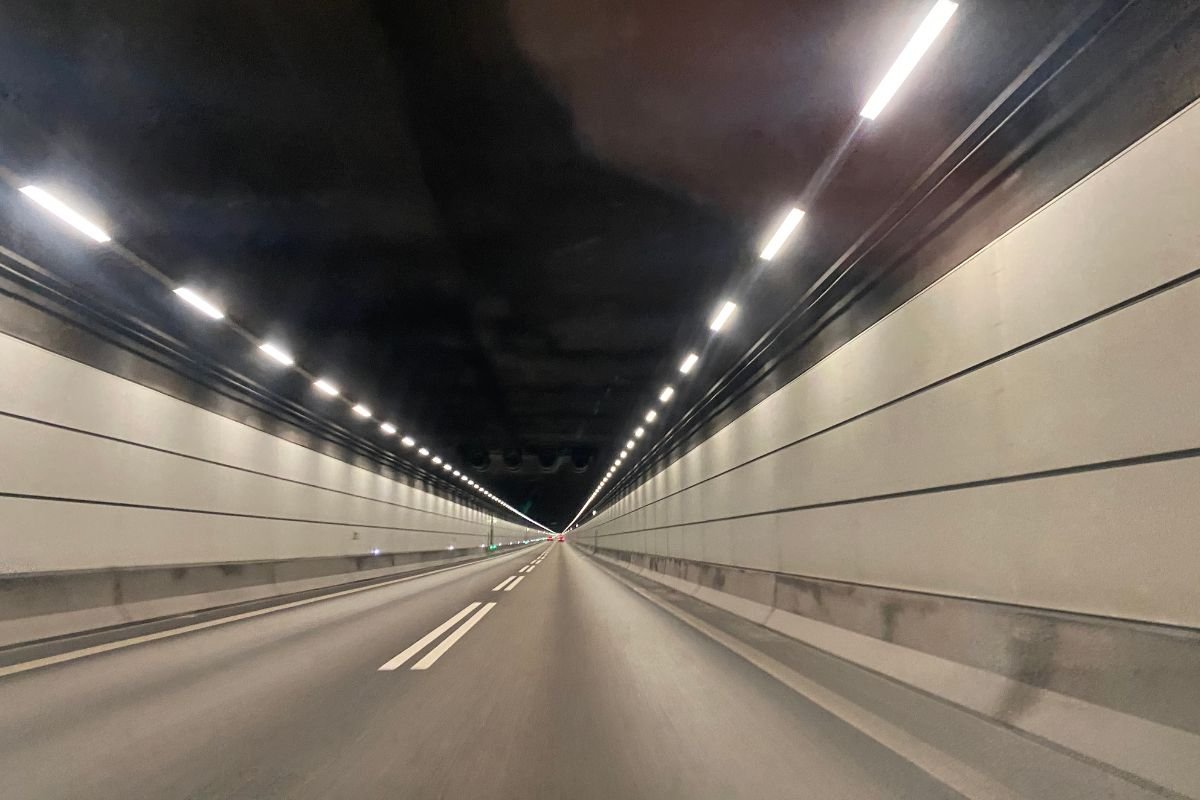
The first part of the route runs through the Drogden Tunnel. This tunnel lies below the water surface and was built to give aircraft to and from Copenhagen Airport sufficient clearance. It also ensures that busy shipping traffic between the North Sea and the Baltic Sea remains unhindered.
Peberholm
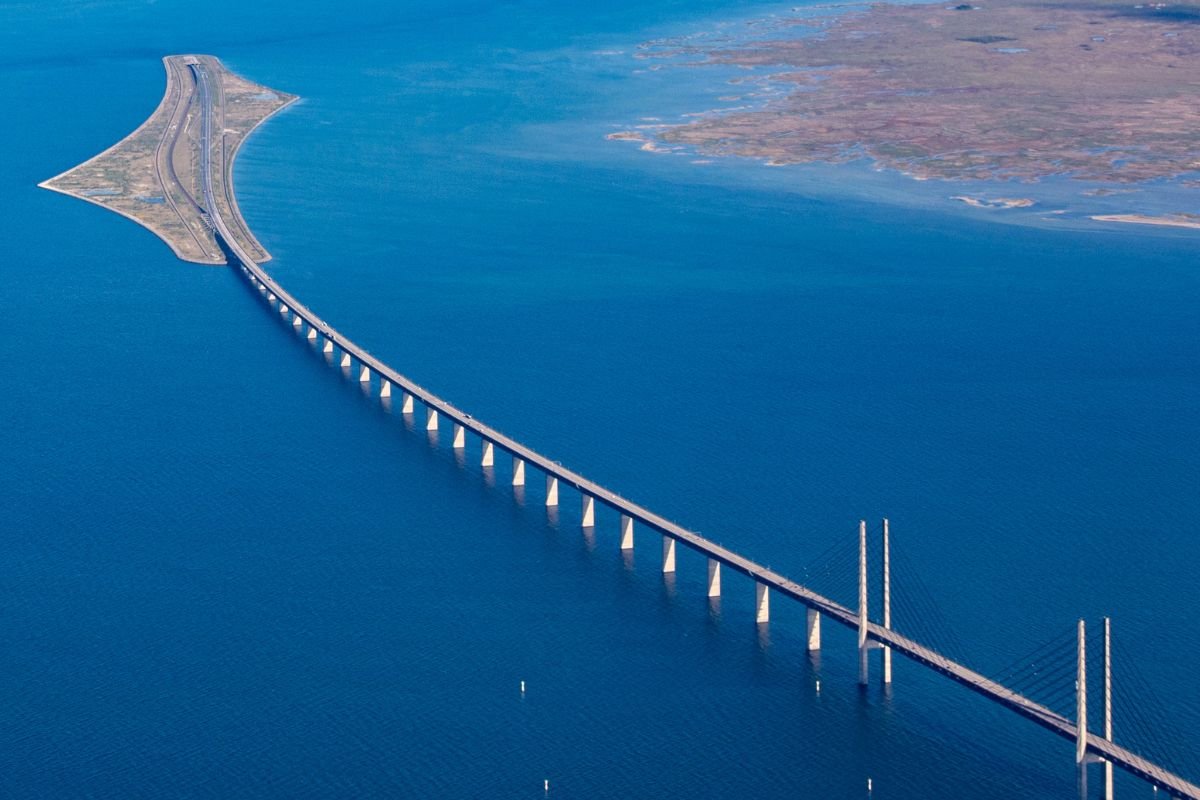
At the end of the tunnel you emerge onto Peberholm, an artificial island that was specially constructed for the transition to the bridge. What started as a technical component has grown into a protected nature reserve with hundreds of plant species and rare birds.
The Malmö Bridge
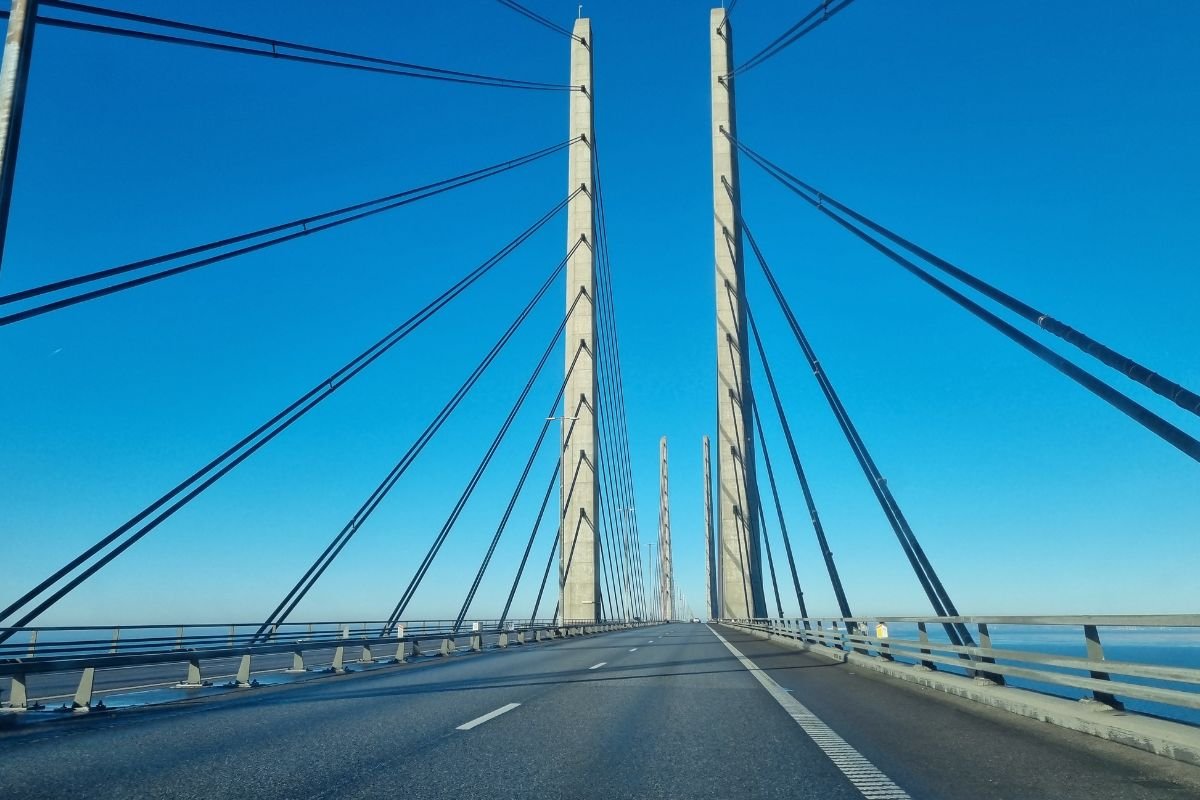
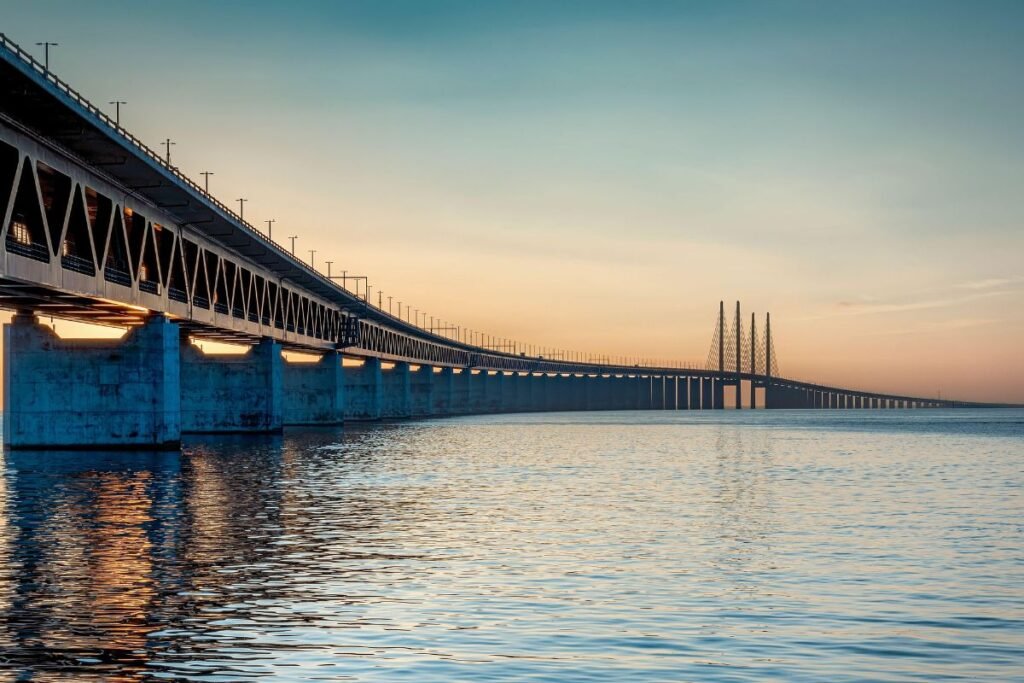
From Peberholm the actual Øresund Bridge begins. With its high pylons and a length of almost eight kilometres, it is one of the most striking bridge constructions in Europe.
The opening of the bridge and the impact on the region
The Øresund Bridge was officially opened on 1 July 2000. The connection ensures that Malmö and Copenhagen function increasingly as one region. Many people live in Sweden and work in Denmark because the travel time is only a few minutes.
The bridge has also given tourism between both countries a huge boost. Travellers take day trips between the cities, discover Southern Sweden or travel further into the country via Malmö.
Facts and figures about the Øresund Bridge
The bridge is impressive in both design and dimensions. Some striking figures:
- Total length of bridge section: 7,845 metres
- Total length including tunnel: over 16 kilometres
- Height of pylons: 204 metres
- Clearance height: 57 metres
- Daily use: approximately 20,000 vehicles and 200 trains
- Total construction costs: approximately 2.6 billion euros (approx. £ 2.2 billion)
To cross the bridge you pay a toll. Want to know what your crossing costs? View the current rates here or use the toll calculator.
Why a bridge and a tunnel?
The combination of tunnel section, island and bridge is no coincidence. The reasons for this are:
- Creating sufficient space for air traffic from Copenhagen Airport
- Guaranteeing free passage for large ships
- Keeping the impact on the landscape as small as possible
- Stability and safety in all weather conditions
The bridge itself is therefore slender and high, while the tunnel lies subtly hidden below the water surface.
Peberholm as a nature reserve
Peberholm was built as a technical part of the project but quickly developed into a nature reserve of great value. Nature is not actively managed, allowing plants and animals to develop naturally. There are now more than 500 plant species and various rare bird species breeding there.
The island is closed to the public to protect this unique nature.
View a video about the nature on Peberholm and the creation of the island. Tip: turn on subtitles in the settings and have them automatically translated.
The bridge in popular culture
The Øresund Bridge became known worldwide through the television series The Bridge (Bron/Broen), in which the bridge plays a central role in the story. The series ensured that the bridge became an international symbol of the connection between Denmark and Sweden.
Frequently Asked Questions about the Øresund Bridge
When was the Øresund Bridge opened?
The Øresund Bridge was officially opened on 1 July 2000. The ceremony took place in the presence of the Danish Queen Margrethe II and the Swedish King Carl XVI Gustaf. Since then, the bridge has become an essential part of traffic between Denmark and Sweden.
How long did the construction take?
Construction took about five years, from 1995 to 2000. During this period not only was the bridge built, but also the Drogden Tunnel and the artificial island of Peberholm. The project was known as one of the most complex infrastructure works in Europe.
How many vehicles use the bridge daily?
On average, 20,000 vehicles drive over the Øresund Bridge daily, ranging from cars to freight traffic. In addition, about 200 trains run per day via the rail link on the bridge section. This makes the bridge one of the busiest border crossings in Scandinavia.
Why is there a tunnel section in the crossing?
The tunnel section was built for several reasons. Aircraft to and from Copenhagen Airport must be able to fly low without being hindered by high bridge pylons. In addition, shipping must be able to sail freely on the busy shipping route under the Sound. Finally, a tunnel close to the coast keeps the view and landscape quieter.
What does it cost to cross the Øresund Bridge?
Costs vary per vehicle and ticket type. For a passenger car, the standard rate is around £ 54 (€ 62) for a single journey. There are also combo tickets and discount subscriptions for frequent travellers.
- View the current rates on the Øresund Bridge prices page.
Can you cross the bridge on foot or by bike?
No. The Øresund Bridge is only accessible to cars, motorcycles, buses and trains. Cyclists and pedestrians can use the train connection between Copenhagen and Malmö.
How long does the crossing take by car?
The drive over the bridge itself takes about 10 to 15 minutes, depending on traffic. The full crossing including tunnel and island is approximately 16 kilometres long.
How long does the journey take by train from Copenhagen to Malmö?
By train, you travel from Copenhagen Central to Malmö Central in about 35 minutes. The train runs throughout the day and is a popular alternative for travellers who do not want to pay toll costs.
On this page
Øresund Bridge Toll Calculator
After you have made the crossing to Denmark, you will naturally want to continue to Sweden as quickly as possible. On MalmoBridge.com we show you exactly which routes are most convenient and how to get to the Copenhagen and Malmo bridge without detours. On the page about the crossing to Denmark, you can read step-by-step how to drive from the UK or Germany towards Copenhagen and then easily cross via the bridge towards Malmö and the rest of Sweden.
Destinations in Sweden
The Øresund Bridge is the starting point of a larger tour for many travellers. Popular destinations after the bridge include Stockholm, the island of Bornholm, the coastal city of Gothenburg and the Kalmar and Öland region.
From Malmö you can drive to these places in a single day, making the bridge the ideal gateway for your complete Swedish trip.
Discover Malmö
As soon as you cross the bridge you are almost immediately in Malmö. This city is perfect for a first stop in Sweden, with sights such as the Turning Torso, the historic centre around Lilla Torg and the promenade at Ribersborg beach. You can easily walk around here for a few hours or stay the night before driving further inland.
Copenhagen as a stopover
Before you drive onto the Malmo bridge, you pass Copenhagen. Many travellers choose to stay here for one or two days. You can visit Nyhavn, Tivoli, the Little Mermaid and the lively food markets while your car is parked in or near the city. Afterwards, you drive on to Sweden via the Øresund Bridge in no time.